Every year, millions of devotees travel across India to seek the blessings of the 12 Jyotirlinga — the twelve most sacred manifestations of Lord Shiva. Each Jyotirlinga is not just a pilgrimage destination; it is a living piece of India’s spiritual and architectural heritage, carrying centuries of devotion, legend, and cultural memory.
What Are the 12 Jyotirlinga?
The word Jyotirlinga comes from Sanskrit: Jyoti (light) and Linga (symbol of Shiva). Lord Shiva appeared as an infinite pillar of light to resolve a dispute between Brahma and Vishnu. The twelve locations where this divine light manifested are the 12 Jyotirlinga shrines. Visiting all 12 is considered one of the most auspicious pilgrimages in Hinduism, believed to free the devotee from the cycle of birth and death.
All 12 Jyotirlinga — Location, Legend & Architecture
1. Somnath — Saurashtra, Gujarat
Somnath is the first and foremost among the 12 Jyotirlinga. It has been destroyed and rebuilt seventeen times — yet stands as a symbol of India’s indestructible spiritual spirit. The current temple (rebuilt 1951) stands in the Chalukya style, facing the Arabian Sea. An arrow (baan stambh) points south, indicating no land between Somnath and Antarctica in that direction.
2. Mallikarjuna — Srisailam, Andhra Pradesh
Situated on the Nallamala Hills along the Krishna River, Mallikarjuna is called the Kailash of the South. A magnificent example of Dravidian architecture with towering gopurams — and uniquely, both a Jyotirlinga and a Shakti Peetha.
3. Mahakaleshwar — Ujjain, Madhya Pradesh
Mahakaleshwar is the eternal guardian of Ujjain, one of India’s seven sacred cities. This Jyotirlinga is unique — the idol is Dakshinamukhi (faces south), considered extremely powerful. The famous Bhasma Aarti at dawn draws thousands of devotees daily.
4. Omkareshwar — Madhya Pradesh
Omkareshwar sits on an island called Mandhata in the Narmada River — and the island itself is shaped like the sacred symbol Om when viewed from above. Two Jyotirlinga are associated here: Omkareshwar and Amareshwar.
5. Kedarnath — Uttarakhand
At 3,583 metres in the Garhwal Himalayas, Kedarnath is the highest of all Jyotirlinga. Built in Nagara style from enormous grey stone slabs, it is open only six months a year. In 2013, catastrophic floods destroyed the surrounding valley but the ancient temple stood intact.
6. Bhimashankar — Maharashtra
Located in the Sahyadri ranges of the Western Ghats, Bhimashankar is surrounded by dense forest — now a wildlife sanctuary home to the rare Indian Giant Squirrel. The 13th-century temple is built in Nagara style with intricate carvings.
7. Kashi Vishwanath — Varanasi, Uttar Pradesh
Varanasi is the oldest living city in the world, and Kashi Vishwanath is its soul. The temple’s gold-plated spires dominate the skyline. Dying in Kashi is considered liberation — Lord Shiva himself is believed to whisper the taraka mantra into the ears of those who pass here.
8. Trimbakeshwar — Nashik, Maharashtra
Trimbakeshwar is unique — the Shivalinga has three faces representing Brahma, Vishnu, and Shiva. Built in Hemadpanthi style during the Peshwa era (18th century), near the source of the Godavari River.
9. Vaidyanath — Deoghar, Jharkhand
Also known as Baidyanath Dham, associated with healing. The complex contains 21 temples within one campus and draws over 1 crore devotees during Shravan month. Legend: Ravana offered his ten heads as sacrifice here to receive Shiva’s boon.
10. Nageshwar — Dwarka, Gujarat
Located near Dwarka on the Gujarat coast, Nageshwar features a massive 25-metre statue of Lord Shiva. The Shivalinga is believed to protect devotees from poison and negative energies.
11. Rameshwaram — Tamil Nadu
Where Lord Ram worshipped Shiva before crossing the sea to rescue Sita — sacred to both Shaivism and Vaishnavism. The Ramanathaswamy Temple has the longest temple corridor in the world: over 1,200 metres of intricately carved columns.
12. Grishneshwar — Aurangabad, Maharashtra
The last of the twelve, located near the Ellora Caves (UNESCO World Heritage Site). Rebuilt in the 18th century by Ahilyabai Holkar in red stone with a magnificent five-tier shikhara.
The 12 Jyotirlinga — Quick Reference
#
Name
Location
Unique Feature
1
Somnath
Saurashtra, Gujarat
Rebuilt 17 times, faces the sea
2
Mallikarjuna
Srisailam, Andhra Pradesh
Also a Shakti Peetha
3
Mahakaleshwar
Ujjain, Madhya Pradesh
Dakshinamukhi, Bhasma Aarti
4
Omkareshwar
Madhya Pradesh
Island shaped like Om
5
Kedarnath
Uttarakhand
Highest Jyotirlinga, 3583m
6
Bhimashankar
Maharashtra
Inside a wildlife sanctuary
7
Kashi Vishwanath
Varanasi, UP
Oldest living city, liberation temple
8
Trimbakeshwar
Nashik, Maharashtra
Three-faced Shivalinga
9
Vaidyanath
Deoghar, Jharkhand
21 temples in one campus
10
Nageshwar
Dwarka, Gujarat
Lord of serpents
11
Rameshwaram
Tamil Nadu
Longest temple corridor in world
12
Grishneshwar
Aurangabad, Maharashtra
Near Ellora Caves
The Sacred Shloka of the 12 Jyotirlinga
The names of all 12 Jyotirlinga are enshrined in this ancient Sanskrit shloka, recitation of which is believed to absolve sins:
Saurashtre Somanatham cha Srisaile Mallikarjunam | Ujjayinyam Mahakalam Omkaare Mamaleswaram | Paralyam Vaidyanatham cha Dakinyam Bheema Shankaram | Setubandhe tu Ramesham, Nagesham Darukavane | Varanasyam tu Vishwesham Tryambakam Gautameethate | Himalaye tu Kedaram, Ghrishnesham cha Shivalaye | Etani Jyotirlingani, Sayam Pratah Pathan Narah | Sapta Janma Kritam Papam Smaranena Vinashyati
Carry the Essence of Every Jyotirlinga With You
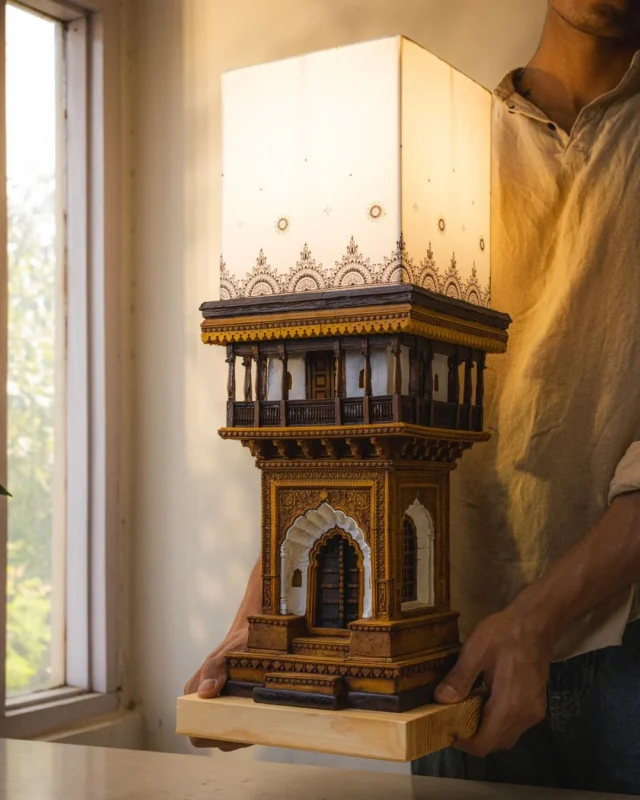
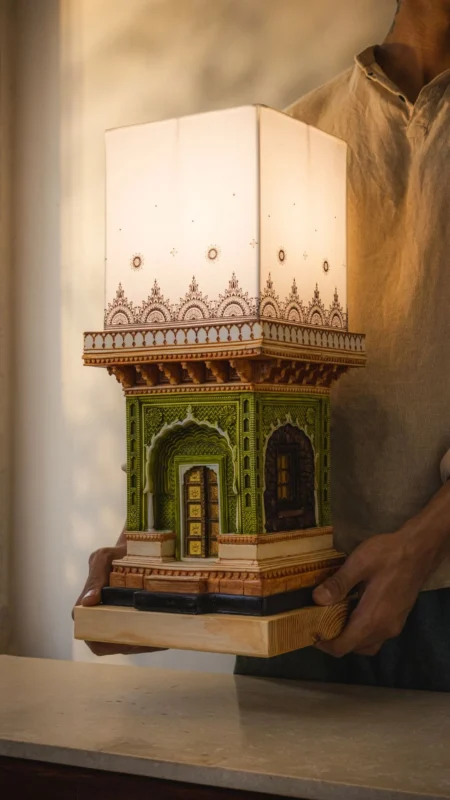
For those who feel a deep connection to these sacred sites, Esmaric has created the 12 Jyotirlinga Miniature Series — handcrafted collectible objects inspired by the architecture and spiritual essence of each Jyotirlinga. These are not mere souvenirs. They are collectible art objects that preserve the cultural and spiritual memory of each sacred site in physical form.